6 Museums in San Sebastian you must visit
Coming to Donosti and don’t want to stop at the postcard? If you’re lost between endless lists, rainy days and what to see first, museums are your shortcut to understand —and enjoy— local culture: sea, art, science, cider and memory in just the right dose. At Go Local San Sebastián —specialists in Free Tours and Bike Tours— we’ve spent a decade guiding travellers who want to live the city like a local. So we prepared the guide you need: the 7 must-see museums in San Sebastián, explained straight to the point with local tips so they fit your route, with or without a bike, with kids or in foodie mode. Follow it and, once you finish the last one, you’ll see Donosti with local eyes: you’ll know what we celebrate, why it smells like the sea, and where we toast with a good txotx.
Chillida Leku
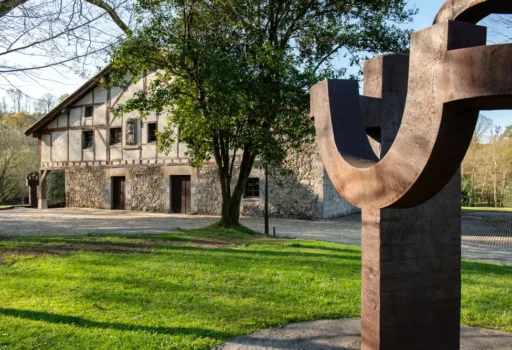
Eduardo Chillida dreamed of a place where his sculptures could dialogue with the landscape; that’s how Chillida Leku was born, a farmhouse —Zabalaga— surrounded by meadows and woodland, now a sculpture park. It’s a serene, very “local” plan: unhurried strolling, watching iron and granite change with the light, and stopping at iconic pieces like Buscando la luz I or the Arco de la Libertad. It generally opens 10:00–17:00 and closes on Tuesdays and Wednesdays; check special dates. General admission ~€14, reduced €10 and €7 for under-18s and other groups; under 8, free. Free parking. The museum is also reinforcing tactile accessibility for low-vision visitors. Tip: it’s a perfect e-bike excursion from Donosti along the Urumea; around 18 May (International Museum Day) they usually program free family visits with limited spots.
San Telmo Museoa

Born in 1902 and completely renovated today, San Telmo is the museum of Basque society: a Renaissance cloister with the famous murals by Josep Maria Sert and a contemporary extension weaving identity, tradition and maritime life. Perfect if you want to “read” Donosti beyond the postcard —and great for rainy days. Open Tuesday to Sunday; typically 10:00–20:00 in summer and 10:00–19:00 in winter (closed Mondays, except holidays). General admission €10, reduced €4; under-25s and several groups enter free, and Tuesdays are free for everyone. If you’ll pair it with pintxos in the Old Town, book the morning slot and check the calendar on special dates.
Aquarium – Palacio del Mar
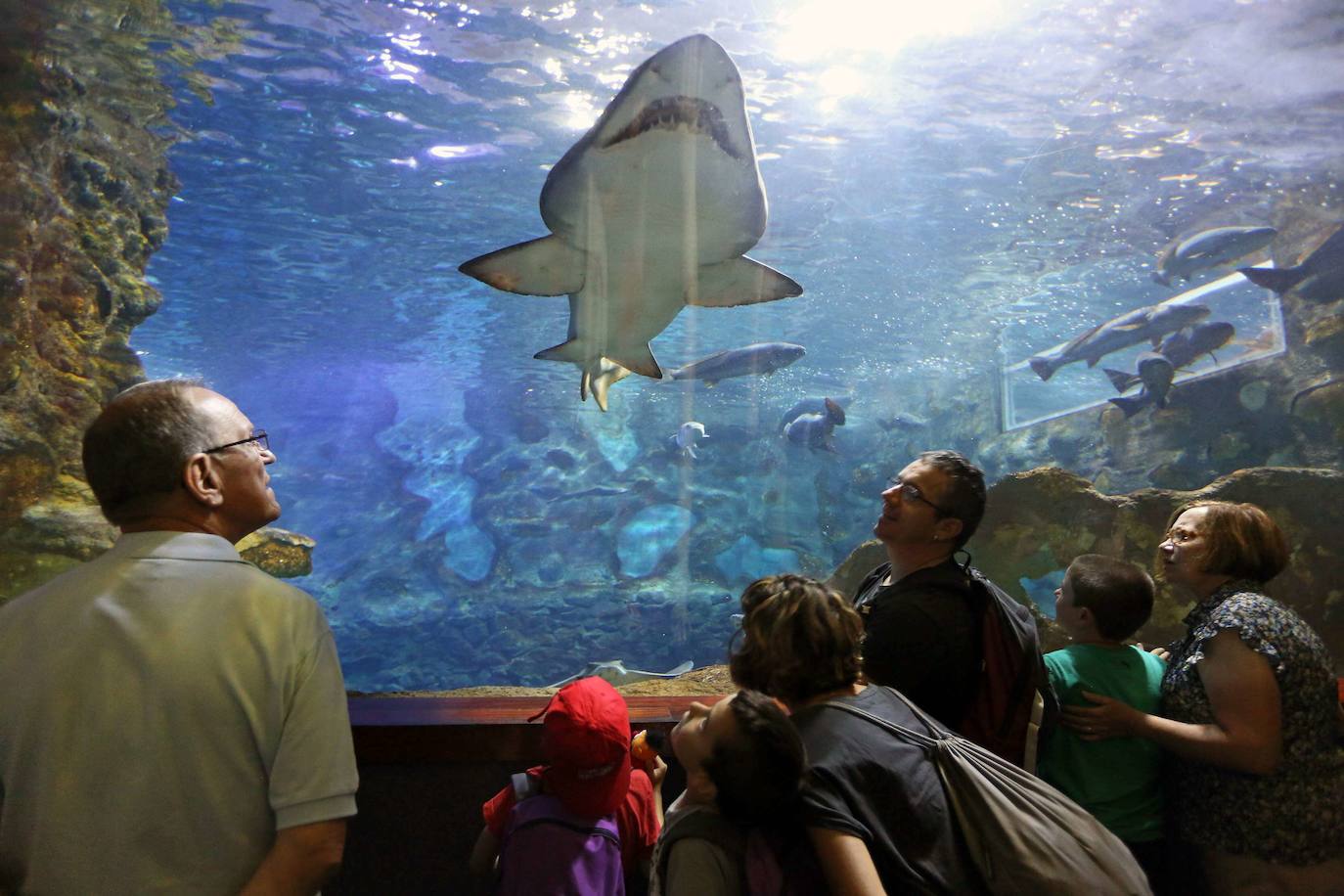
Born as the Palacio del Mar in the late 1920s, the Aquarium blends a museum on Basque whaling and fishing tradition with a spectacular oceanarium: 1.5 million litres crossed by a panoramic tunnel loved by kids and adults alike. It’s a great plan for families and rainy days, right in the harbour and two steps from pintxos. October–March: open Tue–Fri 10:00–19:00 and weekends 10:00–20:00; closed Mondays (extended hours in holidays). General €14; children 4–12, €7; reduced €10; <4 free. Pro tip: on weekends or long weekends, go first thing to avoid queues and enjoy the tunnel with fewer people.
Eureka! Zientzia Museoa
Created by Kutxa Fundazioa to bring science closer through “hands-on” learning, it’s the family favourite in Miramón: eight interactive galleries, a digital Planetarium, Animalia with live species, and a simulator area that delights all ages. Typical opening hours: Mon–Thu 10:00–19:00 (up to 20:00 in summer/holidays), Fri 10:00–20:00, and weekends/holidays 11:00–20:00. Indicative tickets: Museum €10 (reduced €7); Planetarium 2D/3D €4 (€3 reduced and for 18 months–3 years); combined Museum+Planetarium €12.50. Allow 2–3 hours and reserve the Planetarium in high season.
Albaola – Itsas Kultur Faktoria
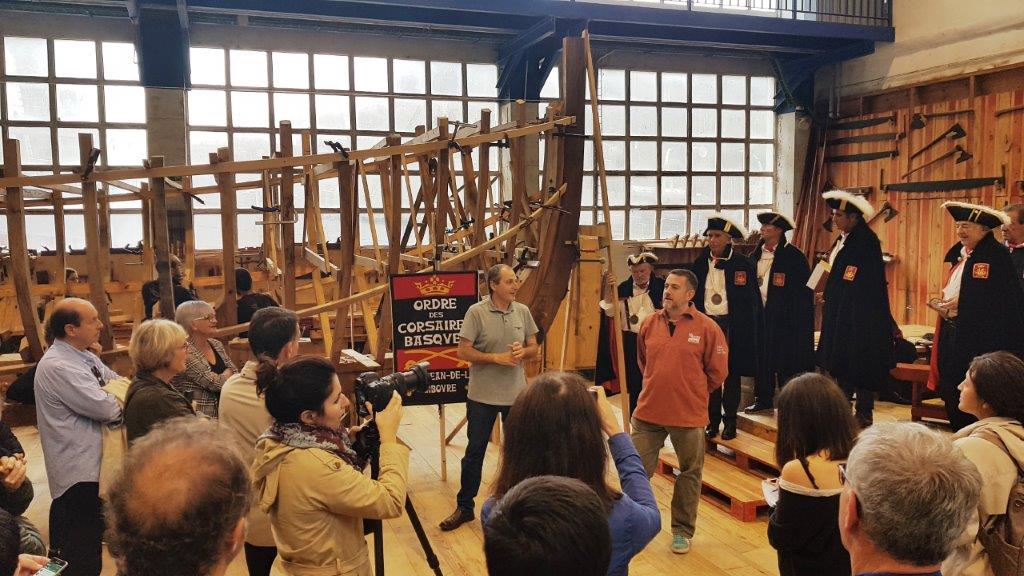
A living shipyard-museum in Pasai San Pedro where the 16th-century whaleship San Juan is being rebuilt using traditional techniques: no showcases, you watch artisans working wood, forge and rigging while discovering the Basque role in Atlantic routes. Ideal if you like maritime history “in action” and a short trip outside the centre. In winter it opens Tue–Sun 10:00–14:00 (and Wed–Sat 15:00–18:00); in summer, Tue–Sun 10:00–14:00 & 15:00–19:00; closed Mondays. Tickets from €10 (€7 reduced; <6 free) and a mixed/semi-guided €14 option. Getting there by small boat from Pasai San Pedro adds charm and is handy without a car. Note: the hull of the San Juan was launched (Nov 2025) and is expected to become a ship-museum in 2026. Want it hassle-free? Check our guided e-bike tour to Albaola.
Sagardoetxea – Museum of Basque Cider
Created to tell, from orchard to glass, Euskadi’s relationship with cider: traditional harvesting and pressing, an interpretation centre and a final tasting. It’s short, very didactic and different —perfect if you love local traditions. Year-round schedule usually is: Tue–Sat 11:00–13:30 & 16:00–19:30; Sun & holidays 11:00–13:30; closed Mondays (in July & August it usually opens on Mondays). Tickets include guided visit and tasting and start from €5 for adults; there’s a reduced/youth fare and <10 free. If you want more, there are combined formats with a cider house (visit + lunch/dinner) at fixed times. From Go Local we offer a self-guided experience to Sagardoetxea. Ask us if you’d like expert local directions to get the most out of it.
Bonus Go Local – Two hidden gems
We know the “musts” already ring a bell; so if you want to go off-circuit without losing the Go Local angle, add these two museums to complete your route: Photomuseum – Basque Photography Museum (Zarautz) and Museum Cemento Rezola (Añorga).
Photomuseum – Basque Photography Museum
Founded to preserve and disseminate the history of photography (and its trades) on the Gipuzkoan coast, with a chronological journey through cameras, processes and prints in a stately Zarautz house. A half-day plan, perfect for image lovers and cloudy days by the sea. Open Tuesday to Sunday, 10:00–14:00 & 17:00–20:00; closed Mondays. General €6, reduced €3; <12 free; 12-visit pass €30. On dates like 19 August (World Photography Day) they host activities and free entry until capacity is reached.
Museum Cemento Rezola
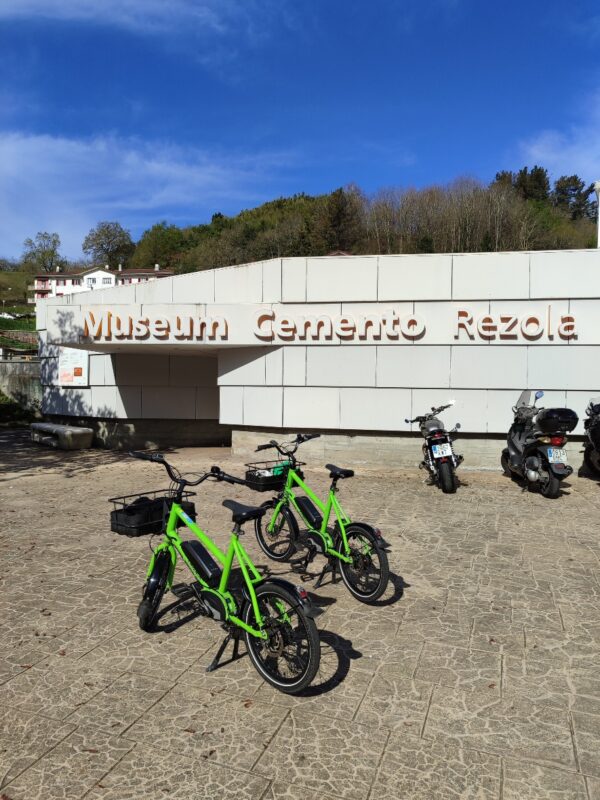
Opened in 2000 in Añorga, inside the factory’s former 1948 school, to explain what cement is, its evolution and its impact on architecture and the city, with a focus on sustainable solutions. A short, very didactic visit —ideal if you enjoy urban history and “how it’s made”. Free entry (also guided visits for groups by appointment); usual hours are Tue–Sat 10:00–14:00; some seasons they open on Sunday, so check the calendar. Between the permanent and temporary exhibitions you’ll see why this material is in almost everything you see… and don’t see. Tip: if you’re several people, request the free guided visit —the narrative gains a lot with local examples.