Basque Cake: History, tradition and where to try it in San Sebastián
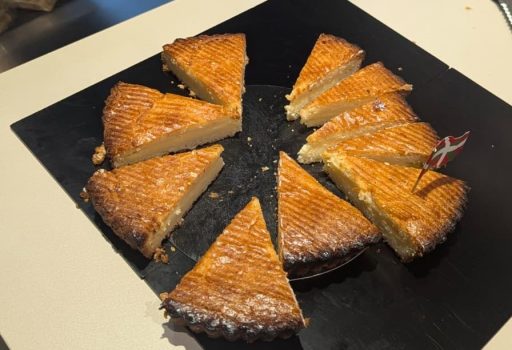
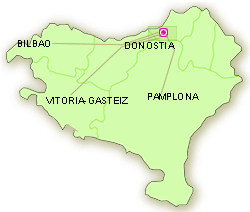
The Basque cake is a dessert that originated in the French Basque Country and has, over the years, become popular throughout the rest of the region. These days, you can enjoy it in various patisseries, and its flavour is an experience your taste buds will never forget. In this post, we’ll introduce you to this delicious dessert and tell you where to find it in Donostia-San Sebastián.
The origins of the Basque cake
The Basque cake (Gâteau Basque in French or Euskal pastela in Basque) is a dessert that is now very well known in the autonomous community of the Basque Country, in Navarre and in the French Basque Country. It originates from the latter, specifically in the province of Lapurdi, although it is not known for certain when it first appeared. There are documents stating that it was already being made in farmhouses during the Middle Ages.
The earliest written record we have of this dessert dates back to the 19th century, when Marianne Hirigoyen began selling it at fairs. It reached Navarre and Southern Basque Country a little later, following increased contact and trade with Bayonne. In 1999, the Hermandad del Pastel Vasco (Brotherhood of the Basque Cake) (Eguzkia) was founded to preserve the traditional recipe and safeguard its authenticity. The Fête du Gâteau Basque (Basque Cake Festival) was also held for the first time and continues to this day; it takes place on the first Sunday in October with the aim of showcasing Basque cakes from various bakeries.
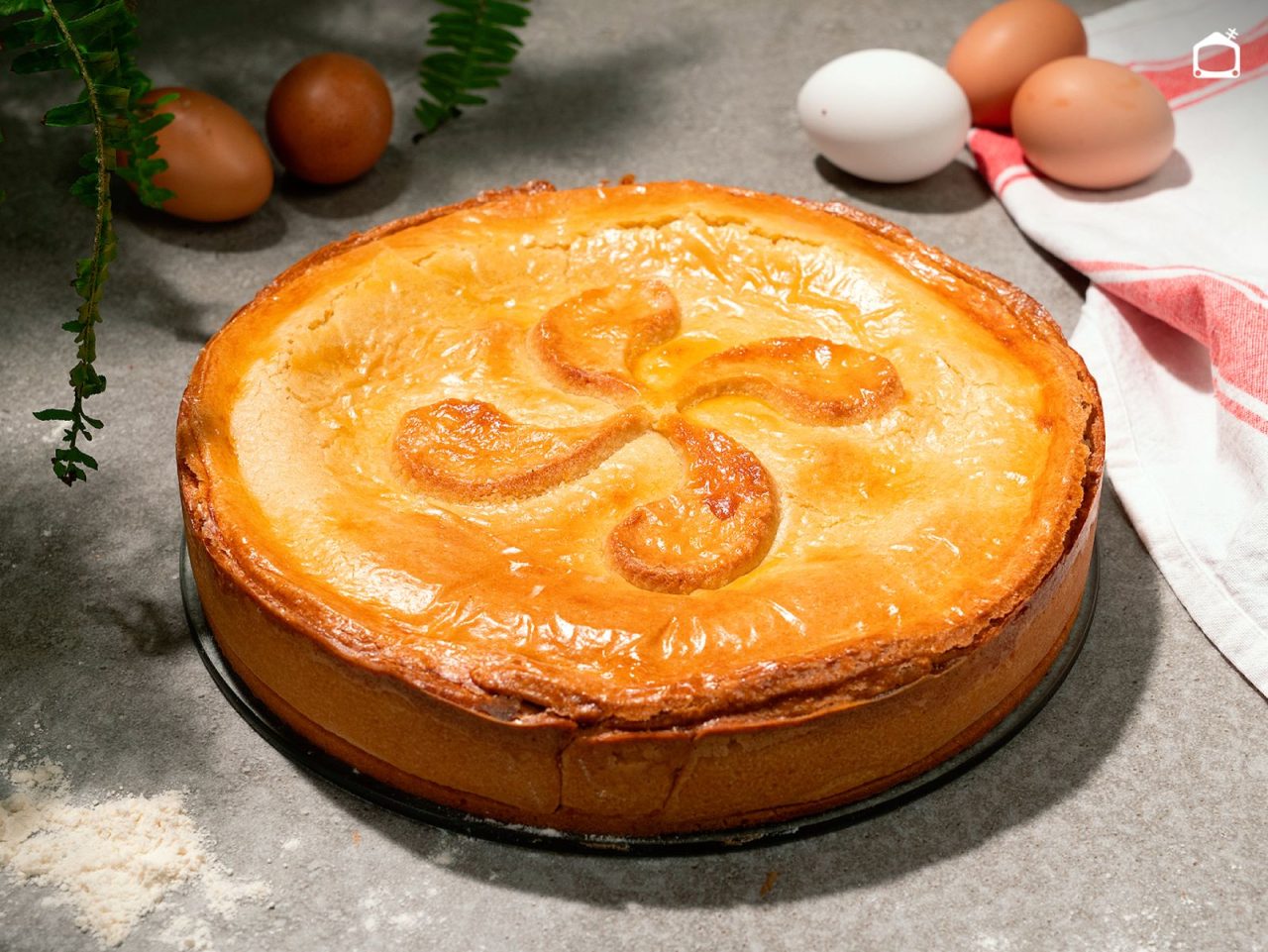
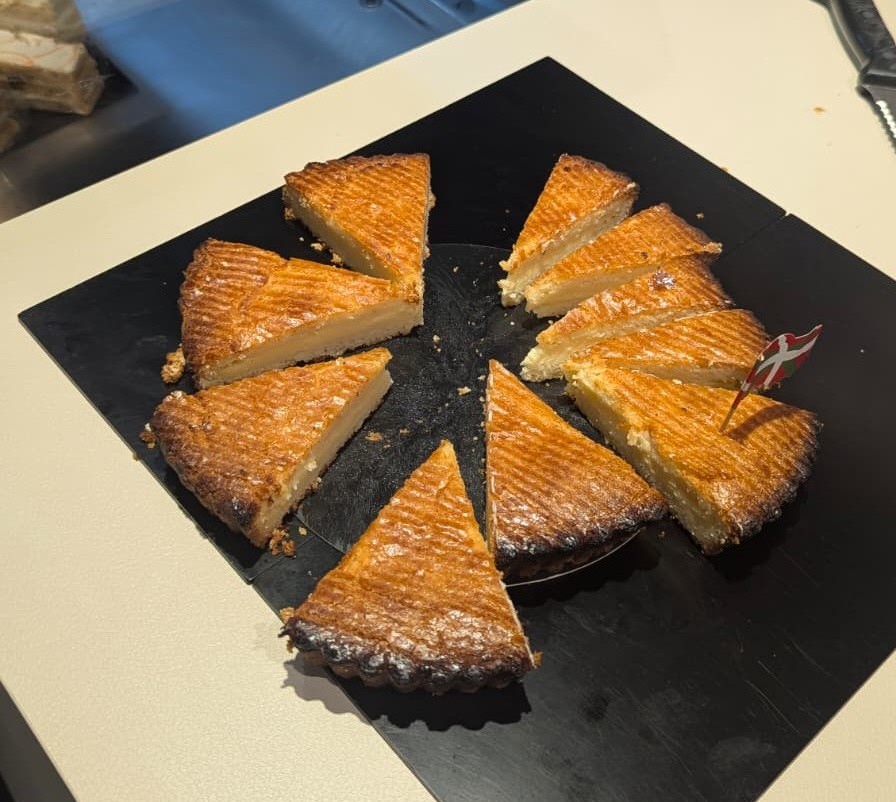
This dessert is a round cake with a brownish-golden colour and a soft, crunchy texture, which is usually filled. On the outside, it is quite distinctive for its decoration, which is typically a Basque symbol such as the lauburu.
Ingredients and traditional recipe
The earliest cakes were recipes that produced a dessert made from flour mixed with pork fat and honey, and they did not taste particularly good. This dessert was known as Biskotxa. In the 18th century, it took on the name by which we know it today, and the recipe gradually evolved.
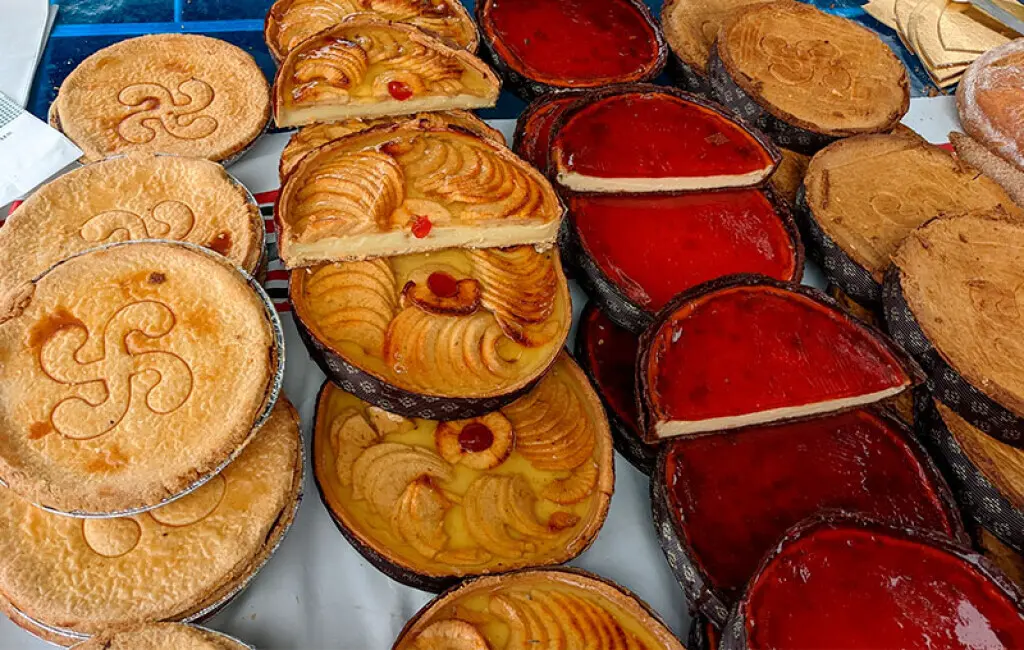
The current recipe consists of butter, flour, eggs and sugar. It was originally filled with custard, although a little later black cherry jam began to be used, and the more modern versions are even filled with chocolate.
Where to eat the best Basque cake in San Sebastián
Although cheesecake has become popular in Donostia in the 21st century, we recommend that you don’t leave the city without trying Basque cake. With that in mind, we’re going to recommend several places to visit during your stay.
Trade fairs
The best place to try this dessert is at the fairs and markets you’ll find in the villages of the Basque Country. If you’re lucky enough to know, whilst you’re staying in Donostia, that there’s going to be a fair in or around the city, don’t hesitate to pop along. They’ll often have food to sample or buy, as well as local cheeses and the famous Basque cake, which is always on offer. The main fair in our city is the Santo Tomás Fair, which takes place every 21 December. If that date doesn’t suit you, you can visit a village further inland and head to the market in Tolosa, which is held every Saturday.
Rafa Gorrotxategi
Rafa Gorrotxaregi and his family are a generation of renowned pastry chefs in the area. They have been working with chocolate since 1680 and have recently launched a collection of ‘sweet pintxos’ for you to try. Among these, or in a larger version, you can try the Basque cake – which, unsurprisingly, is filled with chocolate. Their shop in Donostia is situated right in the heart of the Old Town, on Narrika Street, very close to the Go Local San Sebastián office; so if you’re hungry after one of our tours, you know where to go.
Aramendia
At Pastelería Aramendia, they pride themselves on having the best Basque cake. It’s a completely natural recipe made with wheat flour and no additives. As well as that, they have a wide variety of tarts, cakes, pastries and biscuits, making it an ideal spot for afternoon tea. You’ll find one of their shops in almost any neighbourhood of the city where you’re staying, as they have around ten. They also have branches in the towns of Eibar, Errenteria, Irun, Lasarte, Tolosa, Villabona and Zarautz.
Otaegui
Casa Otaegui is widely known for its recipe for the San Sebastian Pantxineta. We highly recommend you try this dessert, but if you’d prefer something else, their Basque cake is just as delicious. They’ve been serving traditional pastries since 1886, and the business is now run by the fourth generation of the family. They have shops in the Old Town, the city centre and the Antiguo district.
Curiosidades
- It is said that the Basque cake was originally made by housewives (etxeko andreak) in the farmhouses of the Basque Country. They used the basic ingredients they had at home, such as flour, eggs and butter, to make it.
- The first cakes had no filling at all, so they were quite dry. Cream was added later. However, some people say that the first filling was black cherries or other seasonal fruits, as they would make use of whatever the local orchard produced.
- Also regarding the filling, traditionally, if it is custard, the pattern on the outside must consist of lines. If it features a lauburu, this indicates that it is filled with black cherries.
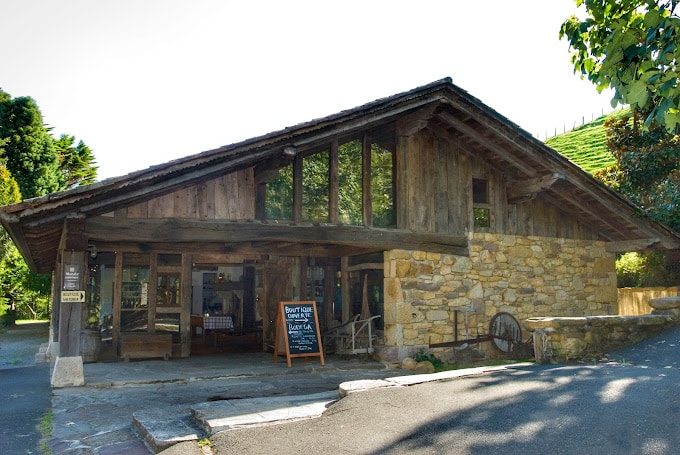
- There has been a Basque Cake Museum since 2003, located in Ipar Euskal Herria, specifically in the pretty village of Sare. So, if you’re keen to find out more about the cake, you can pop along there and explore its workshops and exhibitions.

A Tourism graduate and member of the Go Local San Sebastián team since 2023. She combines her academic background with a deep knowledge of Basque culture, sharing it in an approachable way through her articles. Her goal: to help every visitor discover San Sebastián through the same recommendations she’d give a friend.