Street art in Donostia: A tour of murals, graffiti and creative spots
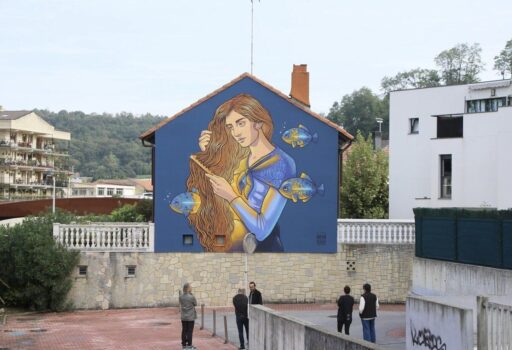
There are many different forms of artistic expression, and each artist chooses to pursue a career in the one that best suits their style. Today, one of the most visible forms in almost every city around the world is street art. It is also very much in evidence in our city. That is why we invite you to discover street art in Donostia through a tour of murals, graffiti and creative spots.
What is street art and why is it significant in San Sebastián?
Street art encompasses all forms of artistic expression found in outdoor public spaces: murals, graffiti, stencils and stickers, amongst others. It is also known by its English name, street art. Historically, this type of art has been associated with outlying neighbourhoods. In the case of San Sebastián, areas such as Loiola and Martutene are home to a large number of these artistic works.
The term began to gain popularity in the 1990s, when various artists started filling the streets with stickers, stencils and murals. However, its origins date back to the 1960s in the Bronx, New York, where young people began leaving their mark in public spaces. Instead of using their real names, they used nicknames or pseudonyms, often accompanied by messages of protest.
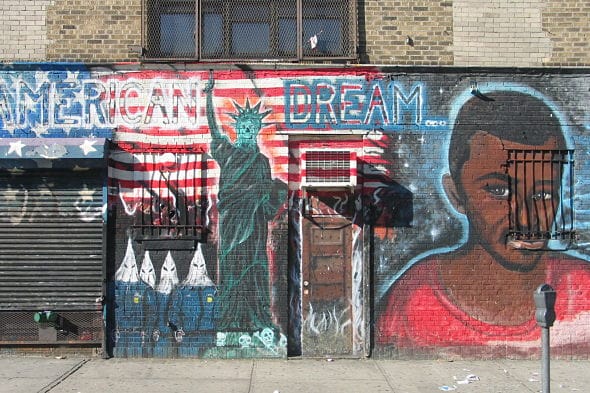
Over time, the phenomenon spread to European cities such as Paris and Berlin, where street art became a form of expression linked to protest and social activism. By the 1980s, it had begun to be recognised as an art form, and in the 2000s it became even more popular thanks to photography and social media, which facilitated its dissemination. Thus, it went from being a marginal practice to becoming an integral part of the cultural life of cities.
Urban art in San Sebastián cannot be understood without initiatives such as Innovart19, the studio run by Mikel Herrero and Olaia Chocarro. These artists have been working on murals for almost a decade and began by creating murals in shops in the Old Town. Today, they even have a gallery in the Egia neighbourhood. Together with the Arte Factory agency (currently inactive), they were pioneers in promoting this movement in the city.
One of the most significant events is “Donostia Apain”, an initiative launched by Donostia Kultura that aims to raise the profile of local neighbourhoods through art. In its 2019, 2021 and 2023 editions, the project has organised gatherings of muralists who have left their mark on neighbourhoods such as Loiola, Altza and Bidebieta. For the selection of artists, the project collaborates with local galleries such as ArteUpArte.
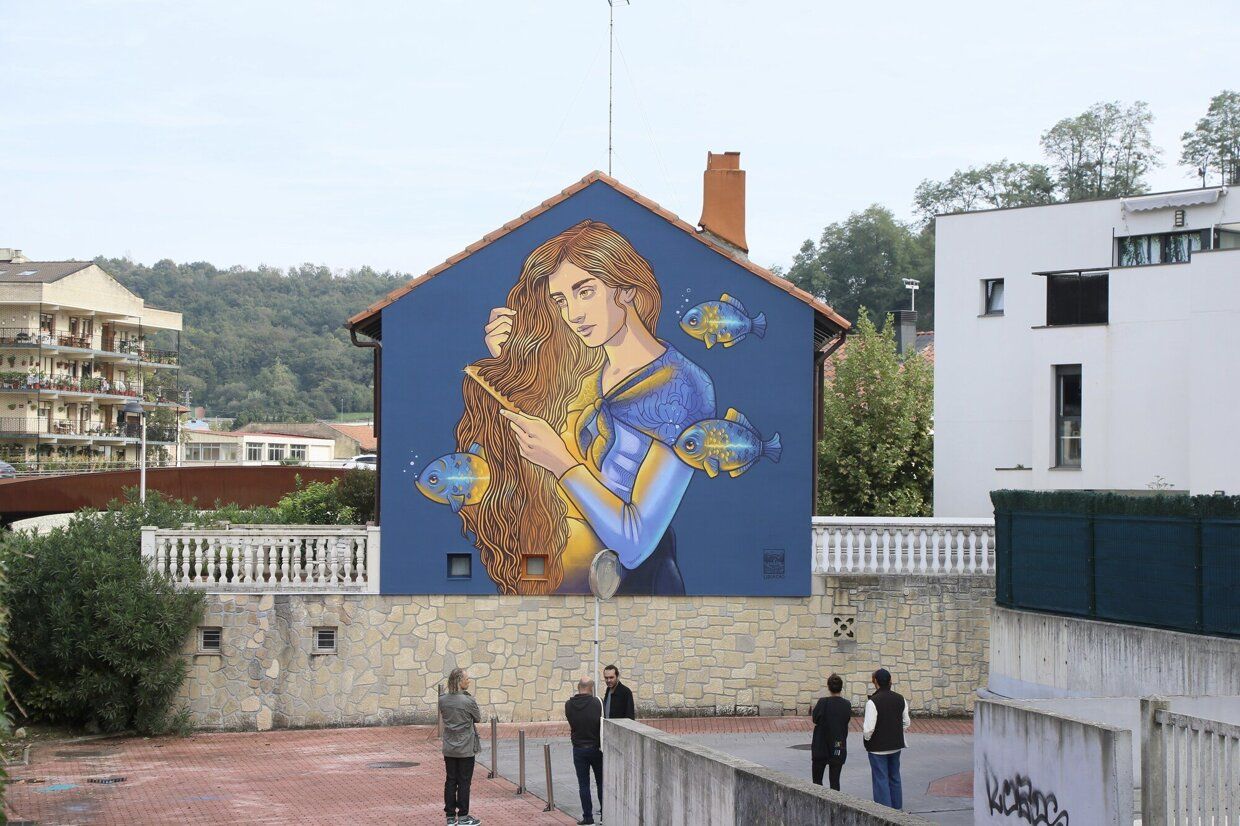
Most iconic murals
Gladys by Udane Juaristi
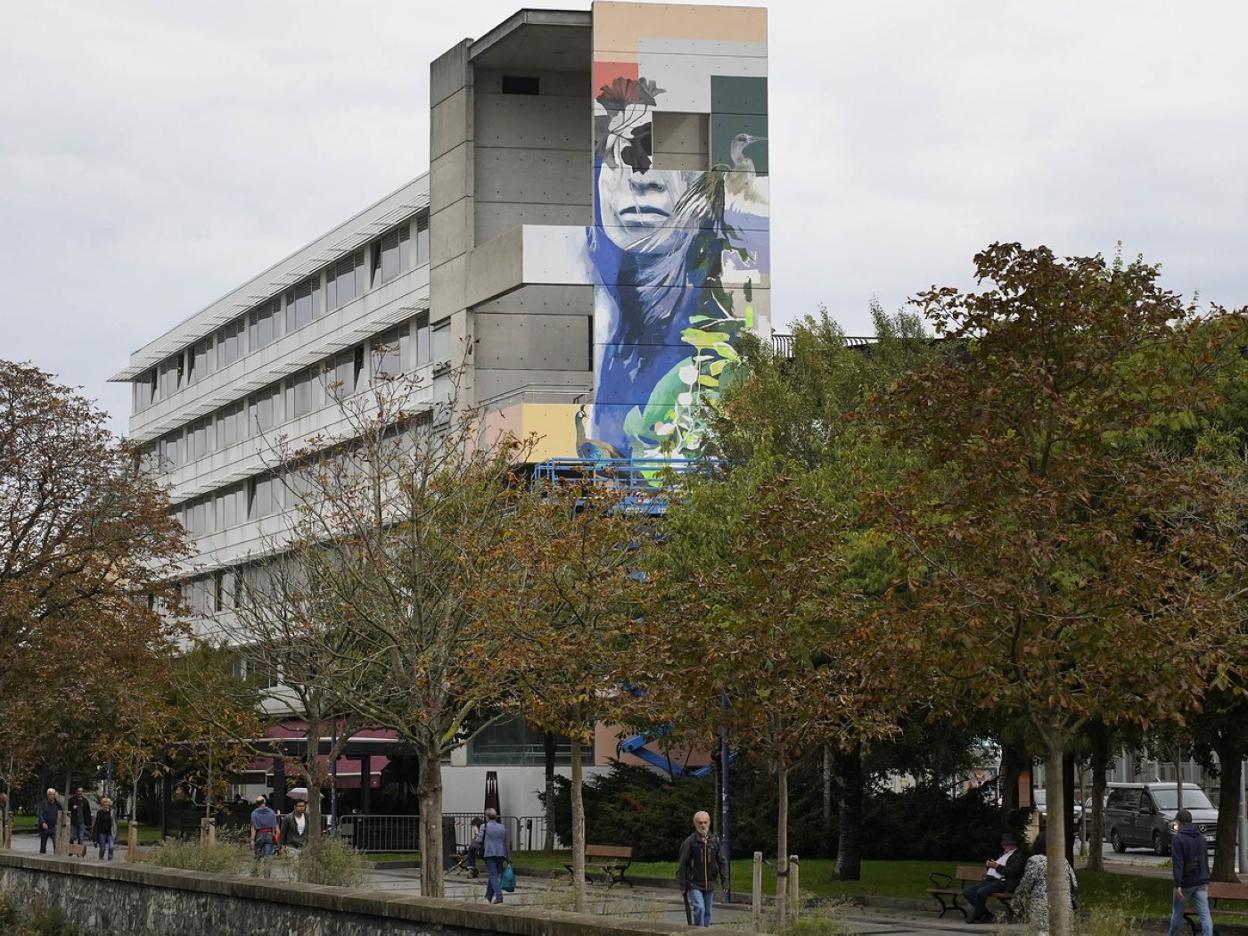
In 2022, the artist Udane Juaristi created one of the city’s most famous murals today. When you walk along the Paseo de Federico García Lorca, near the Mundaiz Bridge, you’ll find it hard not to notice the painting right in front of you. The façade of one of the paths leading to Cristina Enea Park features the image of a woman: Gladys del Estal. This environmentalist lived in San Sebastián for many years and was killed by the Civil Guard during an anti-militarist and anti-nuclear protest in Tudela.
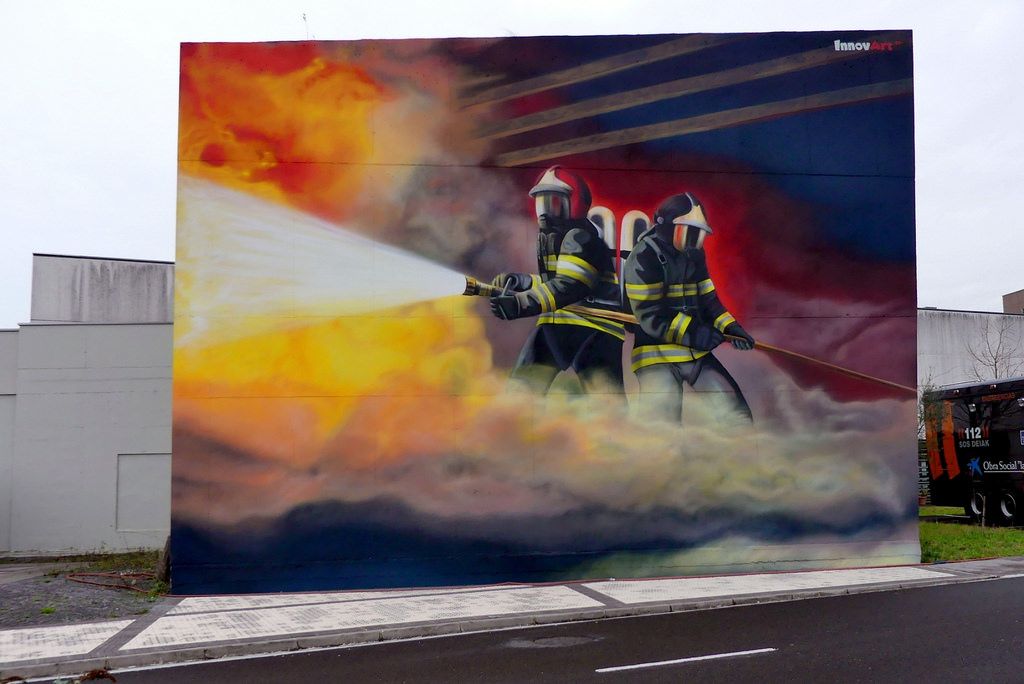
Fire station by Innovart19
As we mentioned earlier, the Innovart19 team has been one of the main driving forces behind urban art in San Sebastián. One of their best-known works is located in the Intxaurrondo neighbourhood, specifically on the main building of the fire station.
Nexgraff
It is impossible to talk about urban art in Guipúzcoa without mentioning Nexgraff. It is a project born out of the passion of Nextor Otaño and his father, who began their journey into graffiti under the tutelage of the aforementioned Mikel Herrero. Today, it is Nextor who has adopted the name “Nexgraff” and has filled the streets of our province with a variety of unmistakable murals. In fact, he has become the champion of the National Graffiti League and is one of the best muralists in the world.
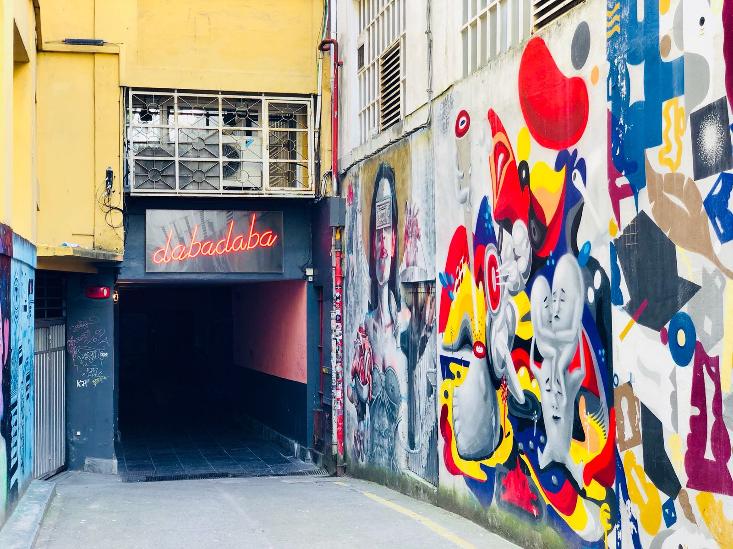
Dabadaba Alley
Dabadaba is one of the city’s alternative venues, and its entrance makes that clear right away. Located at number 8 on Paseo de Mundaiz, this venue for concerts and parties is perfect for a night out in San Sebastián. Its name is displayed on a neon sign above the entrance, and the entire alley leading up to it is covered in graffiti, murals and street art by various artists.
Shops by Koen Laarhoven
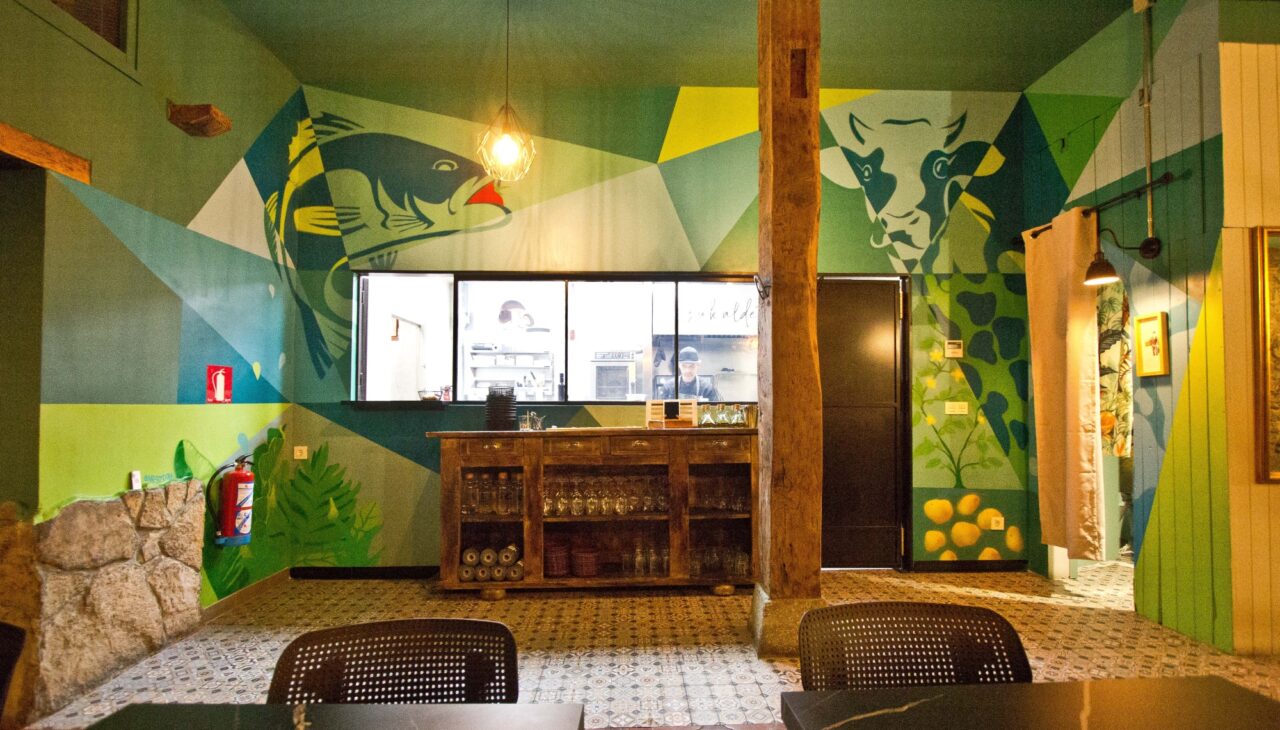
“Mr Frydom” is a Dutch artist who has been based in San Sebastián for several years. He has worked both with Spatzuiver – a group he founded alongside other artists – and as a solo artist. In our city, he is best known for having painted shop windows and murals for various businesses, such as Patagonia Gastrobar and Taupada Taberna.
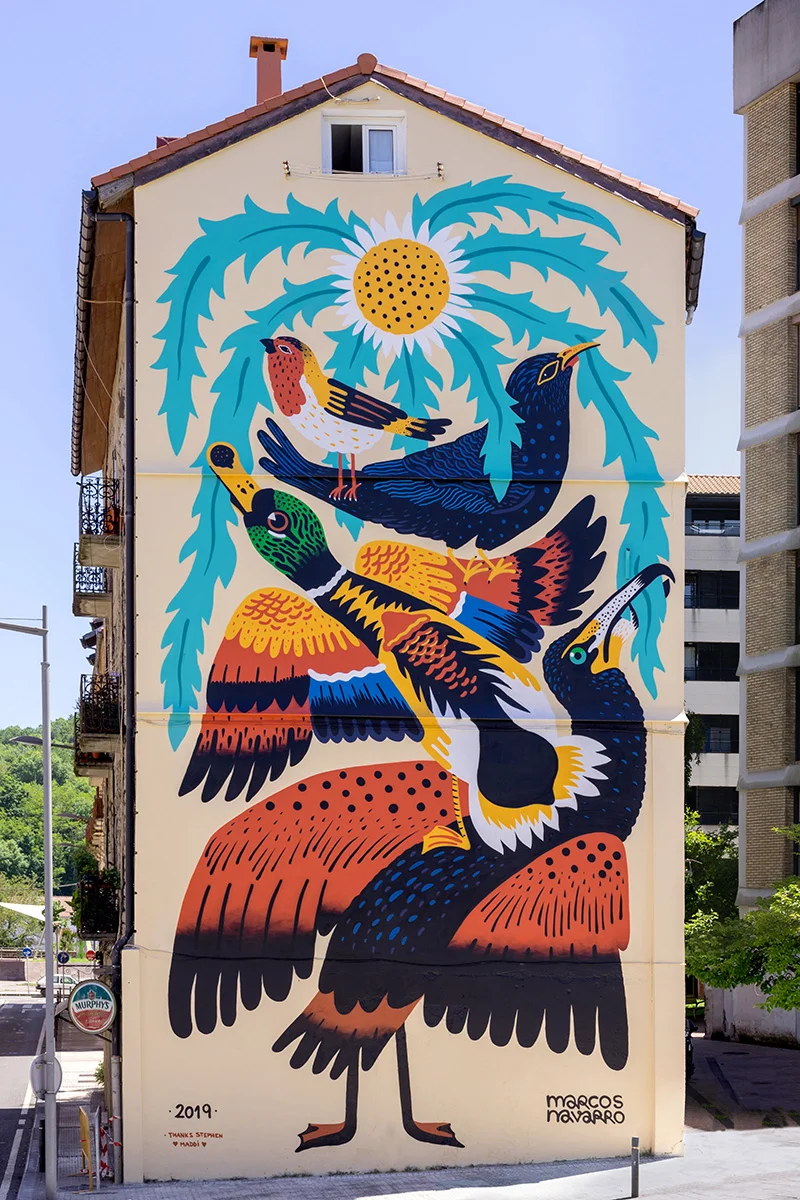
Mural in Loiola by Marcos Navarro
In 2019, the Olatu Talka festival came to an end in the city. This event was launched with the aim of promoting collaboration between established and emerging artists from different cultural disciplines and creating new activities and forms of expression in various neighbourhoods. One of the most successful activities was the creation of murals throughout the city. In this latest edition, Marcos Navarro created a mural in Loiola depicting the wildlife of the birds found along the River Urumea.
The Washerwomen by Eva Mena
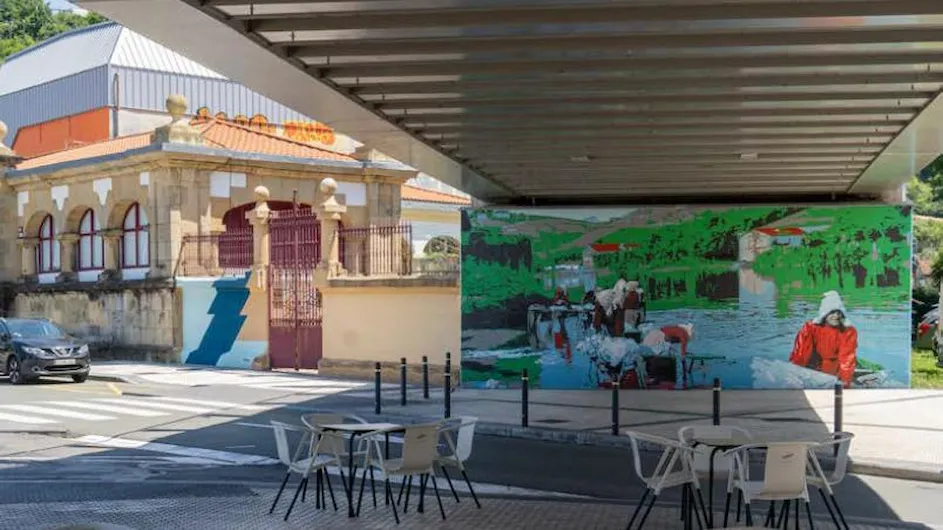
Eva Mena specialises in portraying feminists who have fought for women’s rights and sought equality through their actions and work. In 2016, the Bilbao-based artist created a mural in Atari Eder Square in Loiola in memory of the washerwomen, who played such an important role in daily life in the area.
Tips for exploring the city whilst admiring street art
Street art in San Sebastián isn’t concentrated in a single spot, but is scattered across neighbourhoods such as Loiola, Intxaurrondo, Egia and Altza, as we’ve seen. That’s why exploring the city with a keen eye is essential to discovering its true artistic richness. Here are a few tips to bear in mind.
- Take a look at the neighbourhoods further out from the city centre: Although the city centre has its charm, it is in the outlying neighbourhoods where street art really comes into its own. There you’ll find murals linked to the neighbourhood’s identity and history.
- Follow the Urumea river: A good starting point is to follow the river. From Egia to Loiola, the walk allows you to discover different works. It is an accessible, pleasant route with several visual surprises. What’s more, the whole route is perfect for cycling, as there is a long cycle path.
- Pay attention to everyday spaces: In Donostia, street art isn’t just found on large walls, but also on shops, shutters and premises.
- Connect the artworks with their context: Many paintings in Donostia carry a strong social or historical significance. Understanding the context beyond the artwork adds depth to the experience and turns the walk into more than just a simple aesthetic observation.
- Look before you take a photo: It’s worth pausing for a few seconds to contemplate each piece. The colours, dimensions and urban surroundings are all part of the message.
- Respect the surroundings and the art’s ephemeral nature: Street art is alive and constantly changing. Some pieces disappear, others transform. Respecting them, and respecting the neighbourhood that hosts them, is essential for this cultural ecosystem to continue growing.

A Tourism graduate and member of the Go Local San Sebastián team since 2023. She combines her academic background with a deep knowledge of Basque culture, sharing it in an approachable way through her articles. Her goal: to help every visitor discover San Sebastián through the same recommendations she’d give a friend.